Senior Software Engineer with 8+ years of experience building scalable backend systems, RESTful APIs, and distributed services using C#, .NET, and Python. Strong background in microservices architecture, cloud platforms (Azure/AWS), and data-driven systems. Proven track record of improving performance, reliability, and security of production systems. Passionate about building high-impact platforms that enhance matching efficiency, visibility, and user experience.
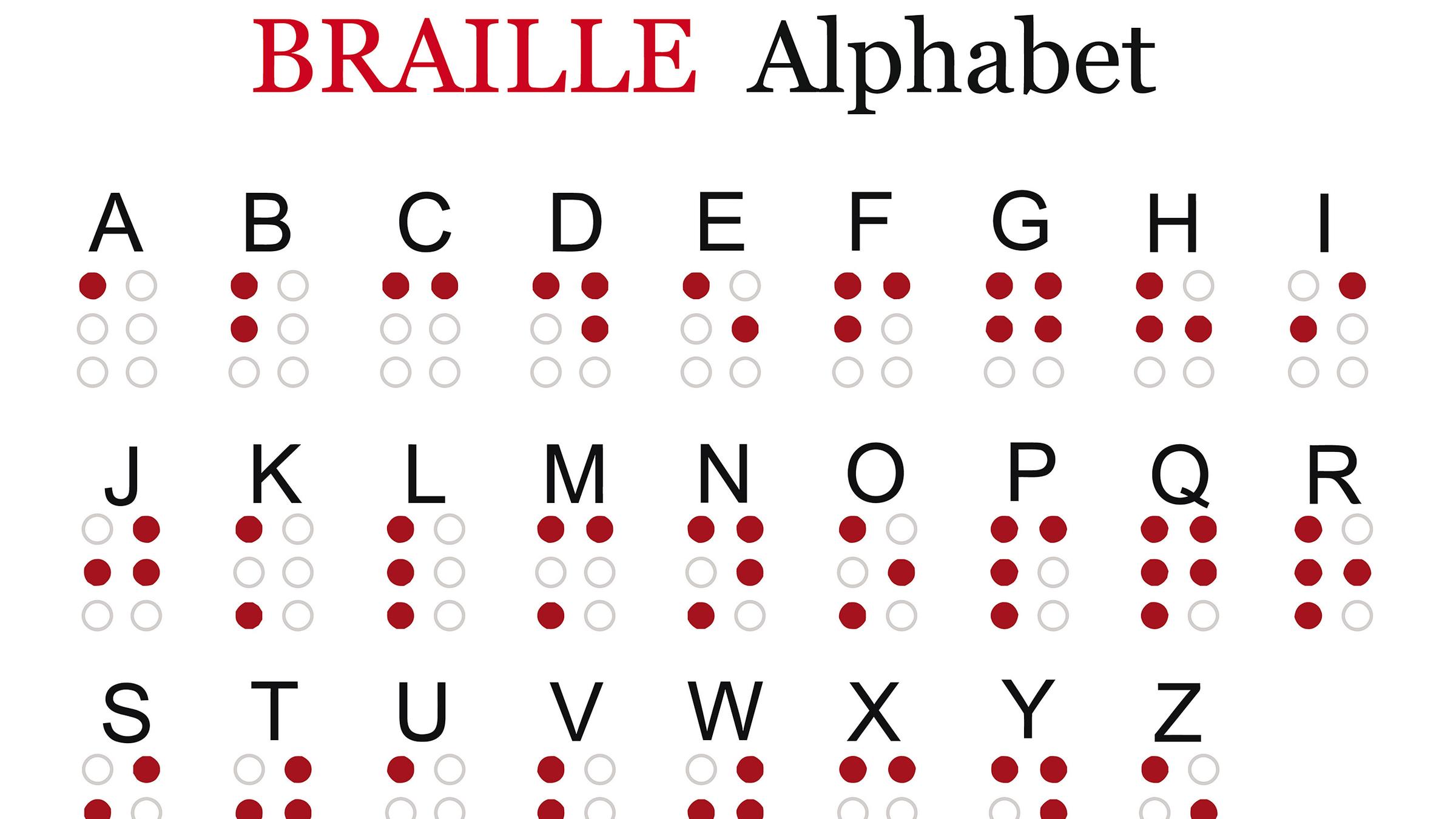
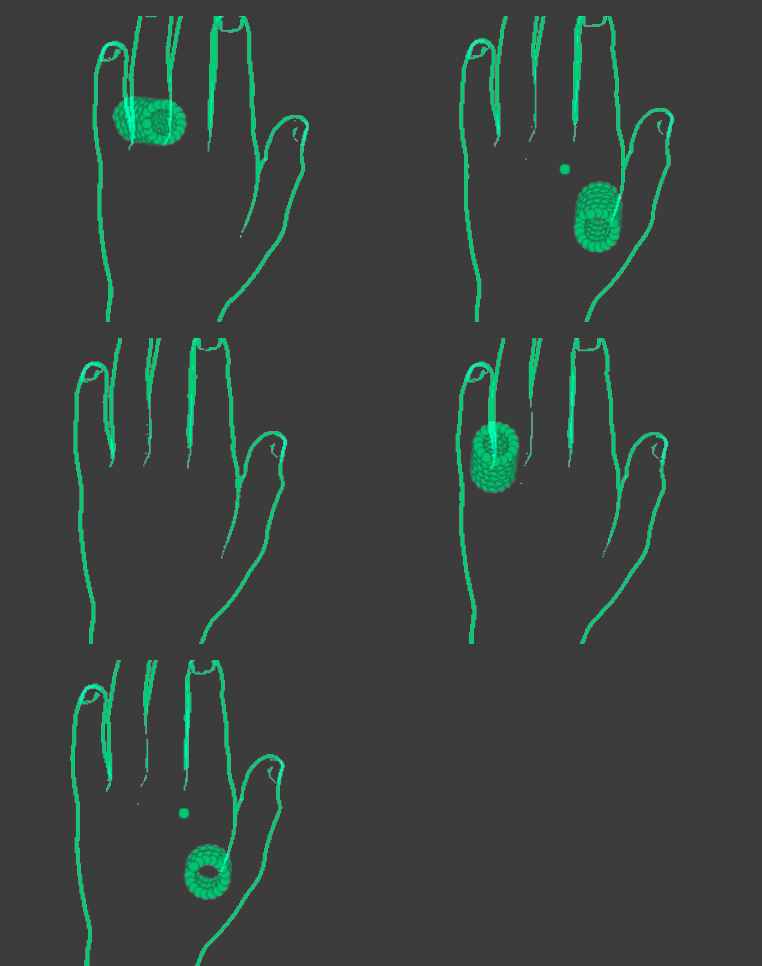
Designing braille patterns on the Ultrahaptics
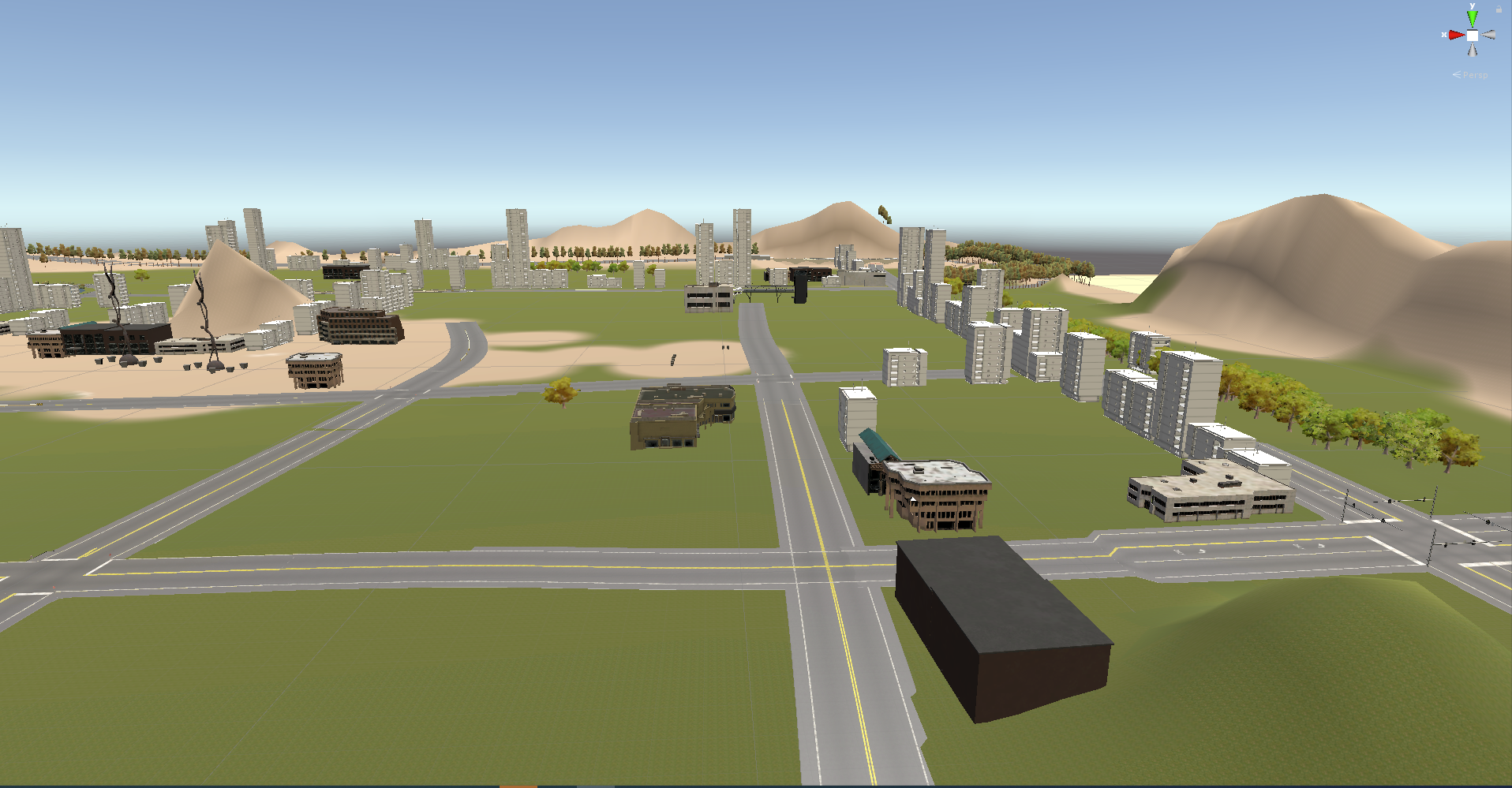
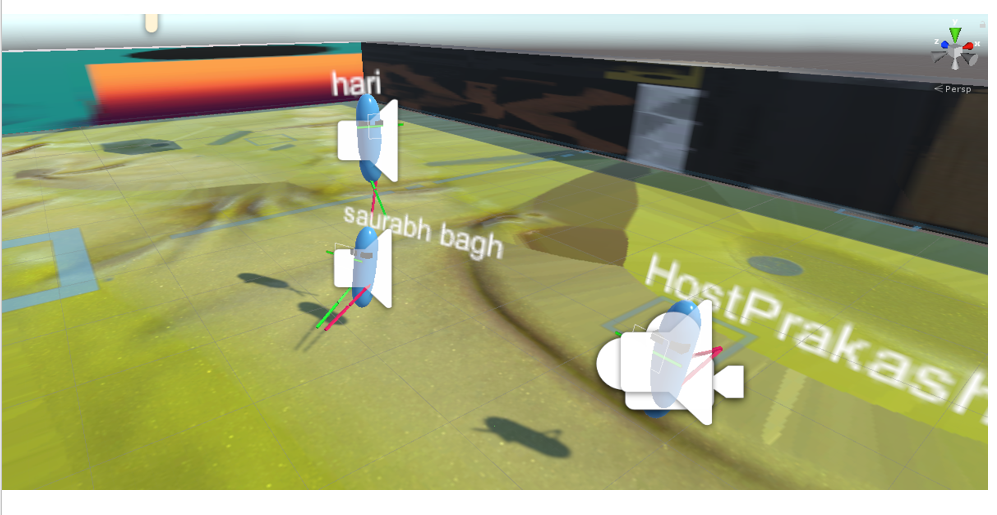
Integration with an Avatar in Unity
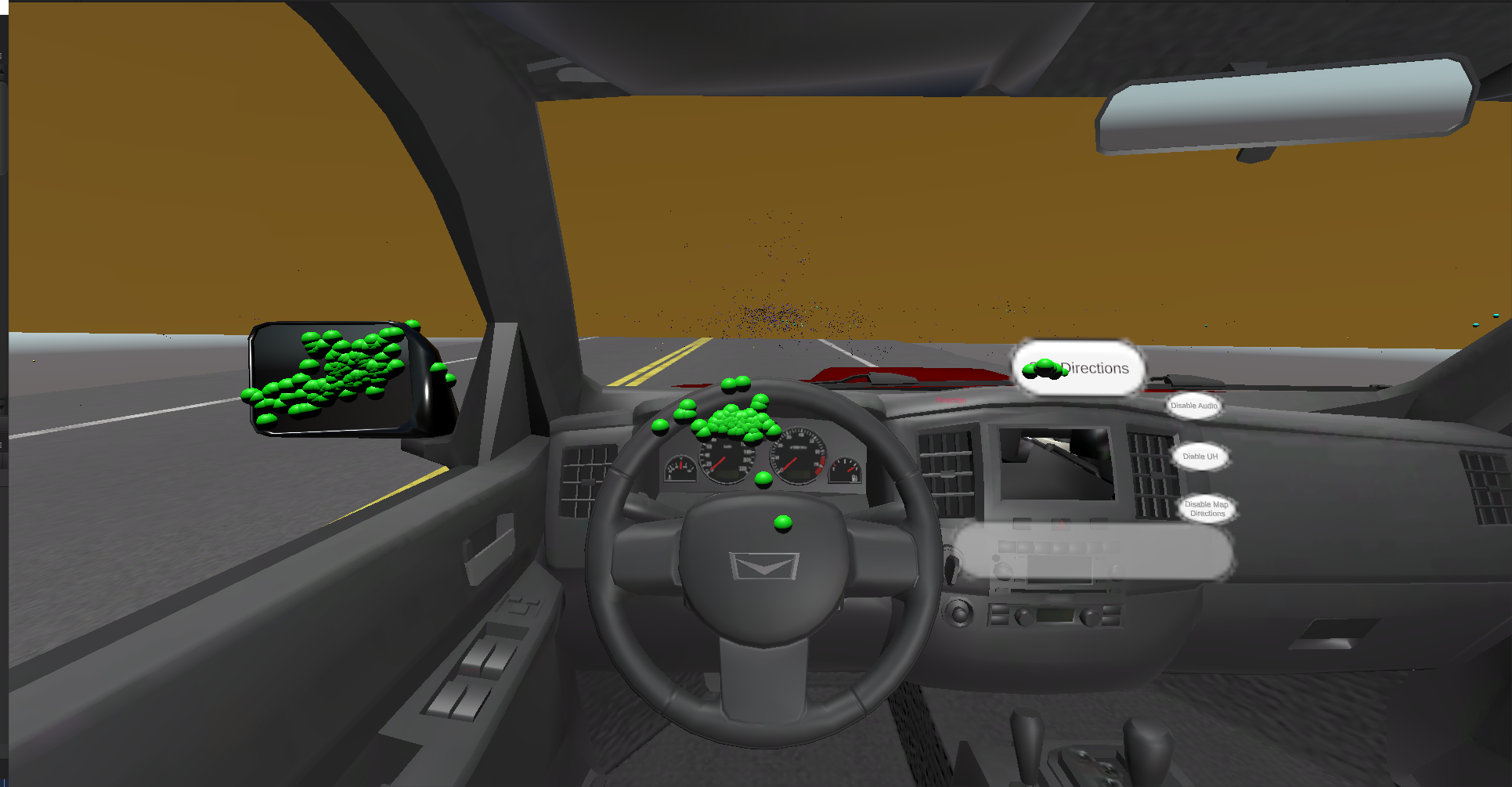
Integration with Pupil Labs eyetracking with Motion platform
ASP.NET (C#), Node.js (TypeScript), Python, RESTful APIs, Microservices, Design Patterns
Azure, Docker, CI/CD, Kubernetes, Containerization
Data Engineering, Data Solutions, PostgreSQL, Snowflake, Data Validation
OpenAI/Gemini integration, Pydantic-AI workflows, n8n event-driven automation
C#, .NET, Entity Framework, Python, React, Angular, Redis, Azure
Cross-functional collaboration, mentoring, reliability engineering, and delivery in fast-paced production environments
Tags: C#, .NET, Entity Framework, React, Azure, Leadership, Redis, n8n Automation, Pydantic AI
Tags: C#, .NET, Entity Framework, Python, Angular, Azure, Redis, Power BI
Tags: C#, Python
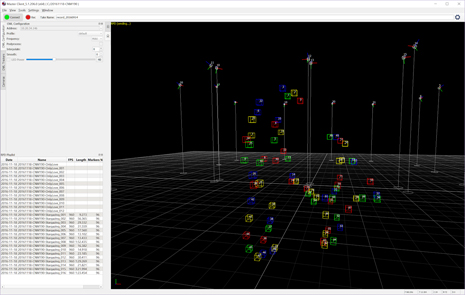
Tags: C#, Unity, Ultrahaptics
Tags: C#, Unity, Python, Tableau
Tags: Java, Reporting Tools
Specialization: Human-Computer Interaction
GPA: 1.9 (German grading scale: 1.0 = best)
Relevant Coursework: Human-Computer Interaction, Data Analysis, Robotics
GPA: 2.3 (German grading scale)
Relevant Coursework: Data structures and algorithms, neural networks, AI, Java, Unix, statistics, and web development
While several studies have examined the usability of mid-air haptic sensations within the automotive industry, previous research has not yet examined the use of mid-air haptics sensations within in-car navigation systems. Therefore, this study aimed to assess whether mid-air haptic sensations could also be of use to in-car navigation systems. This study specifically aimed to examine whether the inclusion of mid-air haptic sensations within the in-car navigation system improves the user experience of the in-car navigation system and helps to decrease the amount of driver distraction in terms of lane deviation and the eyes off the road time.
The results indicate that the mid-air haptic patterns that were associated with specific navigation prompts helped drivers in understanding directions and reaching their destination in a timely manner. The study also indicated that people found the mid-air haptic sensations to be reassuring as they provide continuous feedback as to where one has to go. Additionally, it also made it easier for users to estimate the distance they had to travel before taking a turn. Moreover, the integration of mid-air haptic patterns within the in-car navigation system resulted in a smaller value for the mean lane deviation and a lesser eyes off the road time as compared to the mean lane deviation and eyes of the road time associated with the baseline condition which included a navigation system consisting of voice guided and visual navigation.
The goal of this project was to build a VR meeting room, with leap motion hand interaction. The meeting room was built over UNET and could be accessed from anywhere in the world. In this, each user could be uniquely identified and all the hand movements were captured and sent to the network. The basic inverse kinematic algorithm was used to replicate the hand motion based on the controller's position.
View ProjectThe goal of this project was to evaluate benchmark of the ARM Thunder X2 processor using HPL and DGEMM algorithm and then compare it with Intel's Core i7 and Xeon processors present in the University at that time. With standard gcc and clang compilers (the latest version present at that time) the performance of ARM Thunder X2 processor was not up to mark but with ARM compiler there was a significant increase in performance.
The main goal of this seminar was to understand the working of wireless VR - How data can be transmitted seamlessly with minimum latency. A side project was created called VR interpolated images to tackle the lag. In this when the user moves around the previous image that was in the frame will be interpolated as per the user head movement. The interpolation scheme replicated the row or column pixels of the image in the last frame depending on the movement.
View Project